


Hindi Fortnight–2026 was inaugurated with great enthusiasm at the ICAR–Central Potato Research Institute, Shimla, on the occasion of Hindi Divas. Being organized from 14 to 28 September 2026, the fortnight aims to strengthen awareness and respect for Hindi as the Official Language, while encouraging its wider and effective use in official work.
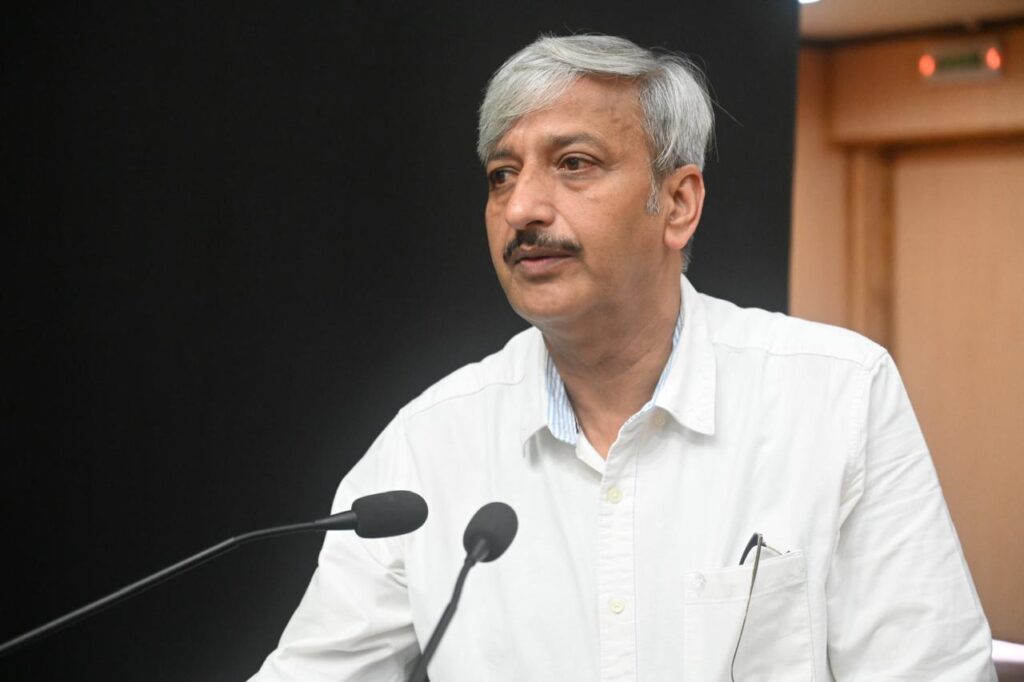
The inaugural programme was addressed by Dr. Brajesh Singh, Director; Dr. Alok Kumar, Principal Scientist & Head; Mr. Rajat Sethi, Administrative Officer; and Ms. Medhavi, Assistant Director (Official Language), who shared their views on the importance of Hindi, its practical use, and the Institute’s responsibility towards the implementation of Official Language Hindi. The speakers also encouraged officers and employees to participate actively in the various activities being organized during the fortnight.
Dr. Brajesh Singh, Director, highlighting the significance of Hindi, drew attention to a unique historical coincidence: the year 1949 marked an important beginning in the journeys of both Hindi and the Central Potato Research Institute. On 14 September 1949, Hindi received constitutional recognition as the Official Language of the Union, while the Central Potato Research Institute was established in the same year. He observed that this coincidence represents a distinctive historical connection between Hindi and the Institute. He further emphasized that promoting the use of Hindi in research, administrative work and the dissemination of knowledge can give meaningful expression to this connection. He called upon officers and employees to make Hindi a natural part of their day-to-day official work rather than limiting its use to designated occasions.
Speaking on the importance of Official Language Hindi, Ms. Medhavi, Assistant Director (Official Language), said that the use of Hindi should not be limited to compliance with rules alone. The Constitution and the provisions relating to the Official Language provide a clear direction for its use, but the true strength of any language is reflected when it becomes a part of our everyday work and conduct. She further said that as an institution engaged in agricultural research, our use of Hindi should not remain confined to files and official documents. When scientific research, new technologies and agricultural knowledge are communicated in simple language to farmers and society, their reach and impact become much wider. In an era of technology and Artificial Intelligence, the possibilities for Hindi have expanded further. The need, therefore, is not merely to respect Hindi, but to embrace it with confidence and bring it into our work in a meaningful and practical manner.
Dr. Alok, Principal Scientist & Head, and Mr. Rajat Sethi, Administrative Officer, also emphasized that engagement with Hindi should go beyond merely respecting the language and should find expression in everyday work and conduct. They noted that Hindi is steadily expanding its reach, with people beyond India’s borders increasingly adopting it as a means of connecting with India and understanding Indian society. In this context, they referred to the growing reach of Hindi on international platforms such as BRICS, observing that when people from other countries are adopting Hindi to connect with India, we too should demonstrate the same confidence and enthusiasm in using our own language. They encouraged officers and employees to participate enthusiastically in the activities of Hindi Fortnight and to translate their engagement with Hindi into practical usage.
The first activity of the Hindi Fortnight, an Extempore Speech Competition, was also organized on the inaugural day. Officers and employees participated enthusiastically and presented their views spontaneously on the topics given to them. Their active participation and enthusiasm reflected their interest in and engagement with Hindi from the very first activity, while also creating a positive atmosphere for the activities to follow.
The inauguration of Hindi Fortnight–2026 marked an enthusiastic beginning, with a spirit of active participation and engagement with Hindi across the Institute-an enthusiasm that is expected to continue through the forthcoming activities.