


Centre, States, Federations, Corporates and NGOs Must Unite to Realise India’s 2036 Olympic Ambition
Hamirpur/New Delhi, September 18:
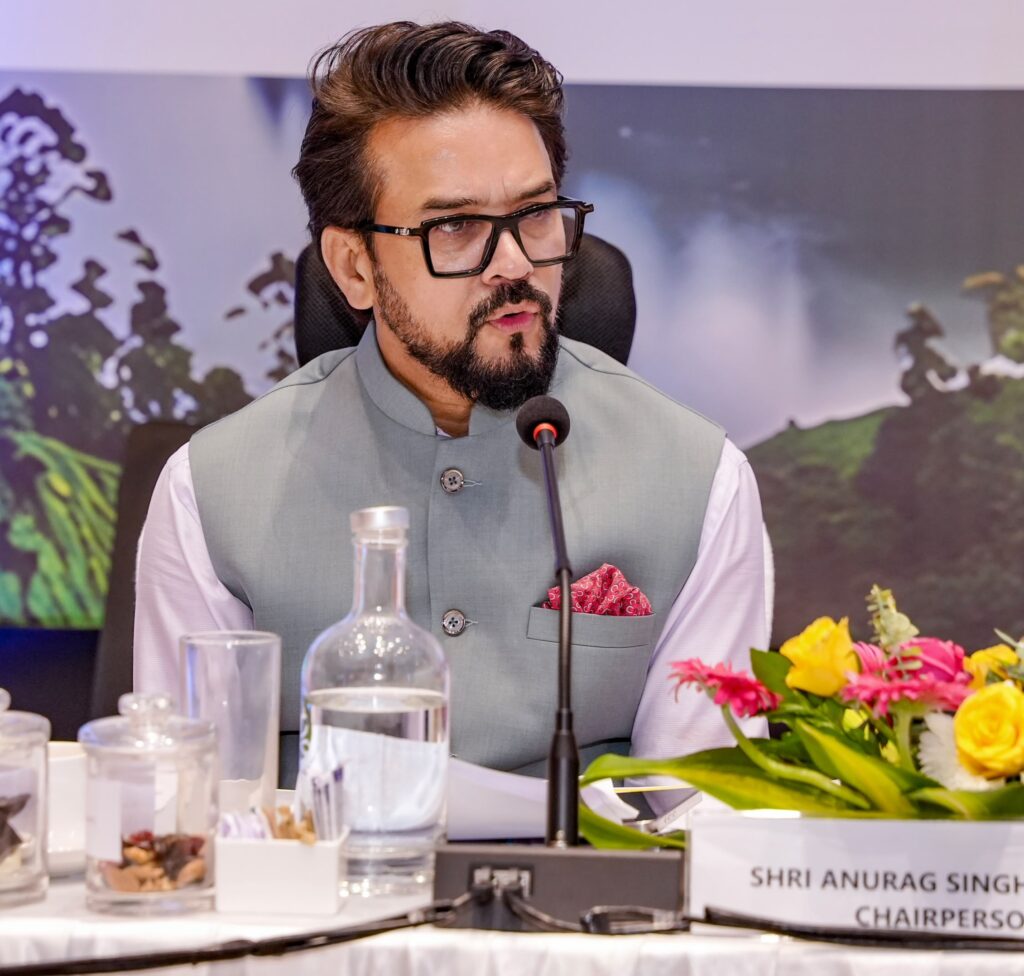
Former Union Minister for Youth Affairs and Sports, Member of Parliament and President of the Himachal Pradesh Olympic Association Anurag Singh Thakur outlined a focused roadmap for taking India among the world’s top five sporting nations at the 2036 Olympics while speaking at the Jazba: Jadon Se Shikhar Tak conclave at Bharat Mandapam, New Delhi.
Thakur said India’s Olympic ambitions cannot depend on the Union Government’s budget alone. While Khelo India, SAI centres and TOPS provide critical national support, states must take greater responsibility for grassroots talent identification, infrastructure and athlete development. Since sports is a State subject, he called for every state to have a standalone Sports Department, dedicated secretary and separate budget head.
He proposed public state sports dashboards showing expenditure under three clear heads—capital expenditure for playing fields, synthetic turfs and academies; operational expenditure for competitive salaries of coaches and support staff; and assured funding for domestic competitions and grassroots leagues. He cited Haryana, Bihar and Odisha for their targeted investments and dedicated sporting structures.
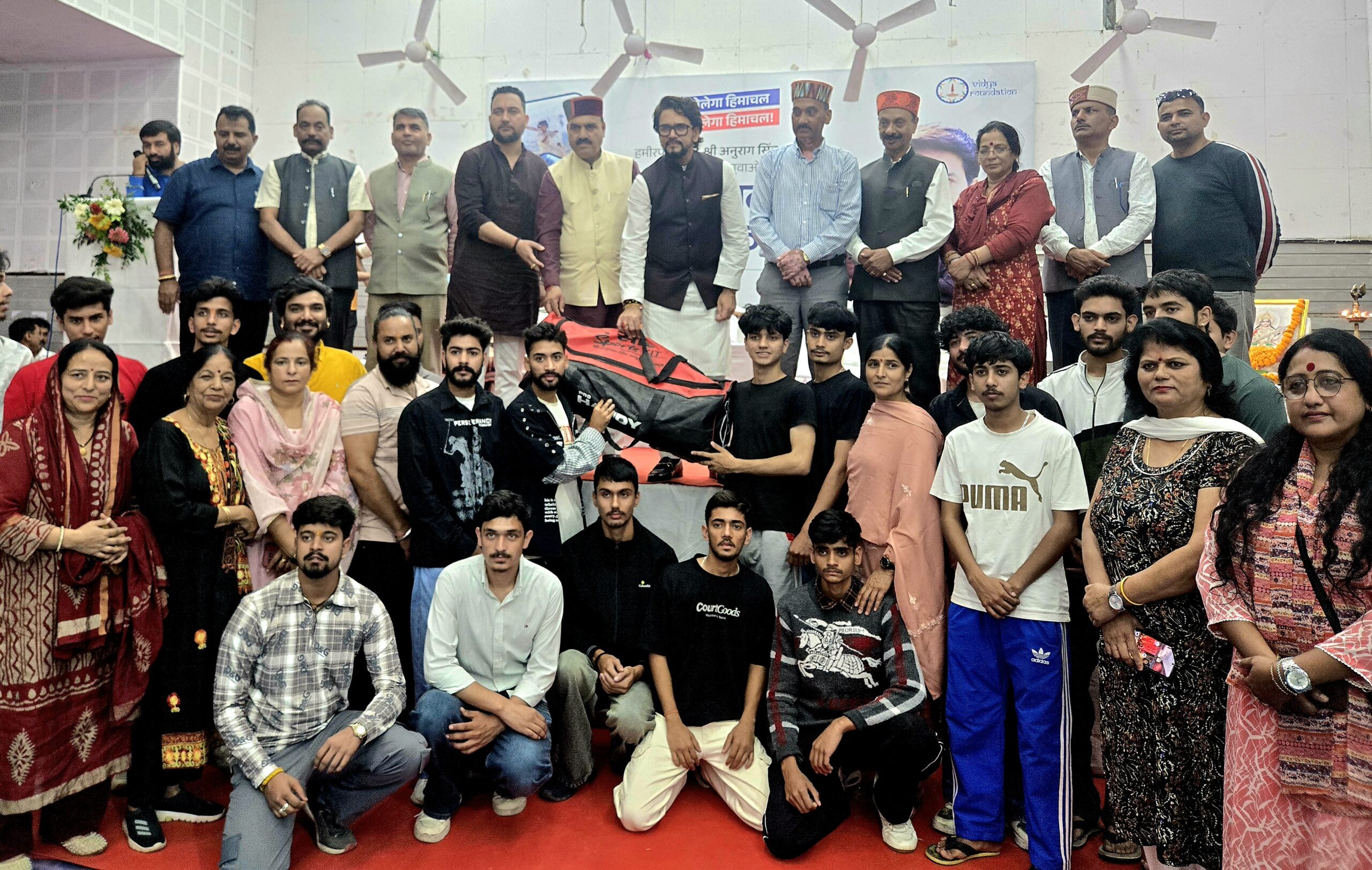
As President of the Himachal Pradesh Olympic Association, Thakur announced that more than 100 coaches across sporting disciplines will be recruited over the next year. He noted that Himachal currently has only around 22–27 on-roll coaches across its 12 districts.
The HPOA will also provide access to sports-science specialists and physiotherapists, creating a stronger pathway for Himachal’s athletes to prepare for the Commonwealth Games, Asian Games and Olympics. Thakur stressed that rural and remote talent must receive quality coaching and facilities and that resource constraints should not limit sporting ambition. Referring to his experience of building the Dharamshala International Cricket Stadium, he said vision, accountability and determination can convert sporting aspirations into reality.
Thakur highlighted Prime Minister Narendra Modi’s direct engagement with athletes, saying sportspersons see him not only as PM — Prime Minister, but also as Param Mitra. He said the Prime Minister interacts with athletes before and after international competitions and takes interest in their routines, dietary requirements and family backgrounds.
He noted that the central sports budget has risen from around ₹800 crore before 2014 to nearly ₹4,400 crore today, while ₹36,441 crore has been provided for Khelo India for 2026-27 to 2030-31.
Thakur identified five essential pillars for India’s sporting transformation: the Central Government for national standards and support; State Governments for grassroots infrastructure and talent scouting; Sports Federations and Associations for keeping athletes above internal disputes; the Corporate Sector for strategically directing CSR towards academies and coaching; and Individuals and NGOs for community-level talent identification.
He stressed the need to invest in children aged 5–15 years through initiatives such as KIRTI, rather than focusing only on felicitating medal winners after success. He said coordinated efforts across these five pillars, supported by quality coaching, sports science, infrastructure and grassroots talent development, are essential for building India’s sporting ecosystem and strengthening preparations for the 2036 Olympic Games.